The Essential Overview of Garage Door Repairs: Which to Expect and When to Phone
Garage doors serve an essential role in home security and convenience. However, they are susceptible to various problems that can affect daily life. Comprehending typical issues, care methods, and the correct time to pursue expert assistance is critical for homeowners. This guide outlines key details about garage door maintenance. It poses important concerns about recognizing issues and choosing the best service provider. What else should homeowners know to make certain their garage doors work effectively?
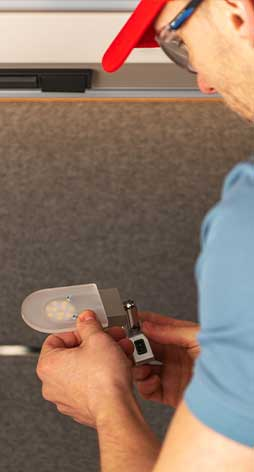
Regular Garage Door Troubles and Techniques for Pinpointing Them
Plenty of residents face common garage door problems that can disrupt daily routines. These troubles commonly manifest in various ways, indicating root mechanical or electrical issues. One common problem is the door unable to open or close fully, which may suggest misaligned tracks or a malfunctioning motor. Another frequent issue consists of unusual noises such as grinding or squeaking, often pointing to to worn-out rollers or lack of lubrication.
Additionally, garage doors may exhibit sluggish operation, a sign of electrical issues or sensor misalignment. Some homeowners may notice the door reversing unexpectedly, suggesting an obstruction or a defective sensor. Finally, obvious deterioration, such as rust or cracks, can compromise the door's structural soundness. Recognizing these typical problems promptly can avoid more extensive repairs, ensuring the garage door operates effectively and safely.
How to Remedy Usual Garage Door Malfunctions
Fixing common garage door issues demands a systematic approach to guarantee safe and efficient operation. Initially, one should inspect the door's tracks for obstructions, guaranteeing smooth operation. If the door is not responding, checking the battery power in the remote and the opener's power source is essential. In situations where misalignment occurs, the pathways may require realignment to allow proper movement.
For noisy doors, lubrication of copyrights and rollers can often fix the problem. If the door does not shut fully, examining the closing sensors for blockages or misalignment is essential. For damaged or deteriorated springs, expert help is recommended, as they can be risky to replace.
In conclusion, if the garage door operates backward suddenly, testing the safety sensors and confirming they are clean and properly situated can check article provide relief. Regular checks and swift response to these matters can lengthen the durability of the garage door system.
Premier Door Maintenance Pointers
Proper garage door upkeep is crucial for guaranteeing secure and reliable performance. Important procedures include regular lubrication of mechanical parts and thorough examinations of safety features. These steps can greatly prolong the longevity of the garage door while enhancing its performance.
Consistent Lubrication Procedures
Preserving a garage door's capability depends on frequent lubrication methods that enhance its performance and longevity. Proper lubrication reduces resistance, reducing wear on moving parts such as rollers, copyrights, and tracks. It is wise to use a silicone product or light lubricant, which penetrates easily and provides effective protection against rust and corrosion.
Garage door technicians recommend lubricating these parts every six months to ensure seamless operation. Additionally, it is crucial to remove any surplus lubricant to avoid dirt collection. Frequently inspecting and maintaining lubrication can help identify potential issues before they escalate, in the end extending the lifespan of the garage door assembly and providing reliable functioning for years to come.
Reviewing Safety Features
Regular oiling methods play a key role in the overall performance of a garage door, but focus should also be placed on safety features. Regular inspection of these features is important for assuring safe operation. The auto-reverse mechanism must be tested by homeowners, and it should operate when an object is detected in the door's path. Additionally, the safety sensors located at the base of the door must be clean and correctly positioned to function effectively. Testing the door's balance is also critical; an unbalanced door can pose safety risks. Ultimately, ensuring the emergency release mechanism works smoothly is crucial, as it provides a reliable fallback during power failures. Routine safety feature inspections help prevent accidents and extend the garage door system's lifespan.
What Do Garage Door Pieces Work?
Garage doors consist of various critical parts, all performing vital duties in the system's overall functionality. The garage door itself works as the main protective element, ensuring protection and energy efficiency. The opener, often electric, automates the door's positioning, while the remote control allows for convenient access.
Tracks direct the door's movement, ensuring seamless operation. Rollers, fastened to the door, facilitate this motion along the tracks. Springs, either torsion or extension, deliver the required counterbalance, making it easier to lift the heavy door. Cables fasten the springs to the door, allowing tension adjustments.
Safety sensors, located near the ground, detect obstacles and prevent the door from closing on objects or individuals. Weather stripping seals gaps, preventing air and water intrusion, while the frame supports the door structure. Each part must work together seamlessly to guarantee the garage door operates safely and efficiently.
Red Flags Your Garage Door Requires Professional Repairs
Discovering clues that a garage door requires competent repair is imperative for maintaining well-being and functionality. Unusual noises throughout working order, struggle with smooth opening and closing, and visible damage are key indicators that care may be obligatory. Prompt attention regarding these issues can circumvent escalating complications and pledge reliable operation.
Strange Noises During Operation
If a garage door begins to create unusual noises during its operation, this often indicates hidden mechanical issues requiring professional attention. Common noises such as grinding, squeaking, or jiggling often indicate issues with the springs, rollers, or motor. For instance, a scraping noise might indicate the rollers are functioning poorly, and creaking may show a lubrication issue. Additionally, a rattling sound may indicate loose hardware or components that need tightening. Ignoring these noises can lead to more serious damage and costly repairs. Owners should refrain from attempting to troubleshoot or fix these problems on their own, as poor handling may escalate the issue. Getting professional assistance ensures the garage door functions safely and efficiently.
Door Doesn't Operate Smoothly
Peculiar noises may often coincide with other indicators that indicate a garage door needs skilled repair. A garage door that fails to open smoothly can be a serious problem, revealing underlying complications such as improperly aligned tracks, damaged rollers, or faulty springs. Homeowners may notice jerky movements or a complete failure to open, which can be frustrating and inconvenient. Such irregularities not only affect the door's functionality but also pose safety risks. Moreover, if the door lags or has difficulty during operation, it may indicate that swift attention is needed. Neglecting these symptoms can lead to more significant deterioration and costly repairs. Seeking professional help provides a detailed diagnosis and speedy resolution, returning the door's smooth operation and guaranteeing safety.
Visible Issues or Dents
Visible wear or denting on a garage door can signal the need for expert maintenance. Such imperfections can occur due to multiple causes, including climatic elements, unintended collisions, or deterioration with age. Not only do these deformations affect the visual appearance of a home, but they can also undermine the door's operational capacity and safety. For instance, a denting may throw off the door, resulting in performance problems or even exposing the garage to potential intruders. Homeowners should assess the extent of the harm; minor dents might be fixable with do-it-yourself solutions, while substantial damage often requires expert assistance. Disregarding visible damage could lead to more significant problems, making prompt maintenance essential for maintaining both security and curb appeal.
Tips for Choosing the Right Garage Door Service Provider
Determining the ideal garage door service provider can significantly influence the longevity and usefulness of a garage door system. To make an informed decision, individuals should get started by researching local providers, directing attention on their reputation and customer reviews. A reliable service provider often presents positive feedback and client statements, indicating a pattern of content customers.
Next, it is essential to validate the company's certifications, encompassing licensing and insurance. This step ensures that the vendor meets industry standards and is shielded from potential liabilities. Additionally, getting multiple quotes can help determine pricing structures, facilitating comparisons between services offered.
Furthermore, reviewing the selection of services—including repairs, installations, and maintenance—is essential. An ideal vendor should present a full portfolio of solutions adapted to fulfill assorted demands. Finally, assess the provider's experience; a long-standing firm typically maintains valuable proficiency in handling diverse problems productively.
What to Anticipate During Door Repair or Installation
During a garage door repair or installation, owners can generally expect a systematic approach from the service provider. Initially, the technician will assess the condition of the garage door, noticing any concerns or necessary upgrades. This inspection often includes checking the door's hardware, tracks, and opener working condition.
When the assessment is complete, the technician will explain the required repairs or installation method, covering estimated timelines and costs. Homeowners should receive a detailed estimate before any work begins.
Throughout the repair or installation, the technician will use specialized tools and equipment to assure safety and efficiency. Homeowners are encouraged to ask questions and express any concerns throughout the workflow. Following the job is finished, the technician generally evaluates the door performance to confirm proper operation and may provide upkeep recommendations to prolong the door's lifespan. Overall, clear communication and professionalism are vital aspects of the service experience.
Often Raised Inquiries
How Much Time Should a Typical Garage Door Installation Consume?
A typical garage door installation usually takes approximately four to six hours. Factors such as the type of door, pre-existing hardware, and intricacy of the job can influence the overall time necessary for completion.
Do garage entrance offerings include guarantees?
Yes, many garage door services provide warranties that cover parts and labor, usually lasting one to several years. It's essential for property owners to check warranty details before engaging services to confirm adequate coverage and protection.
Is it feasible for me to put in a garage door by myself?
Yes, one can put in a garage door on their own, assuming they possess the essential equipment and know-how. However, they should give thought to possible hazards and problems, as professional installation often provides correct performance and warranty protection.
What Will Garage Door Repairs Cost You?
Garage door service expenses usually fall from $100 to $500, depending on the issue's complexity. Price-affecting factors include parts needed, labor rates, and whether the door requires adjustments or complete replacement.
How Can I Increase My Garage Door's Security Measures?
To strengthen garage door safety, one can add deadbolts, security cameras, motion sensors, and smart locks. Regular upkeep, including inspecting for vulnerabilities, also helps ensure the door remains secure against potential intrusions.